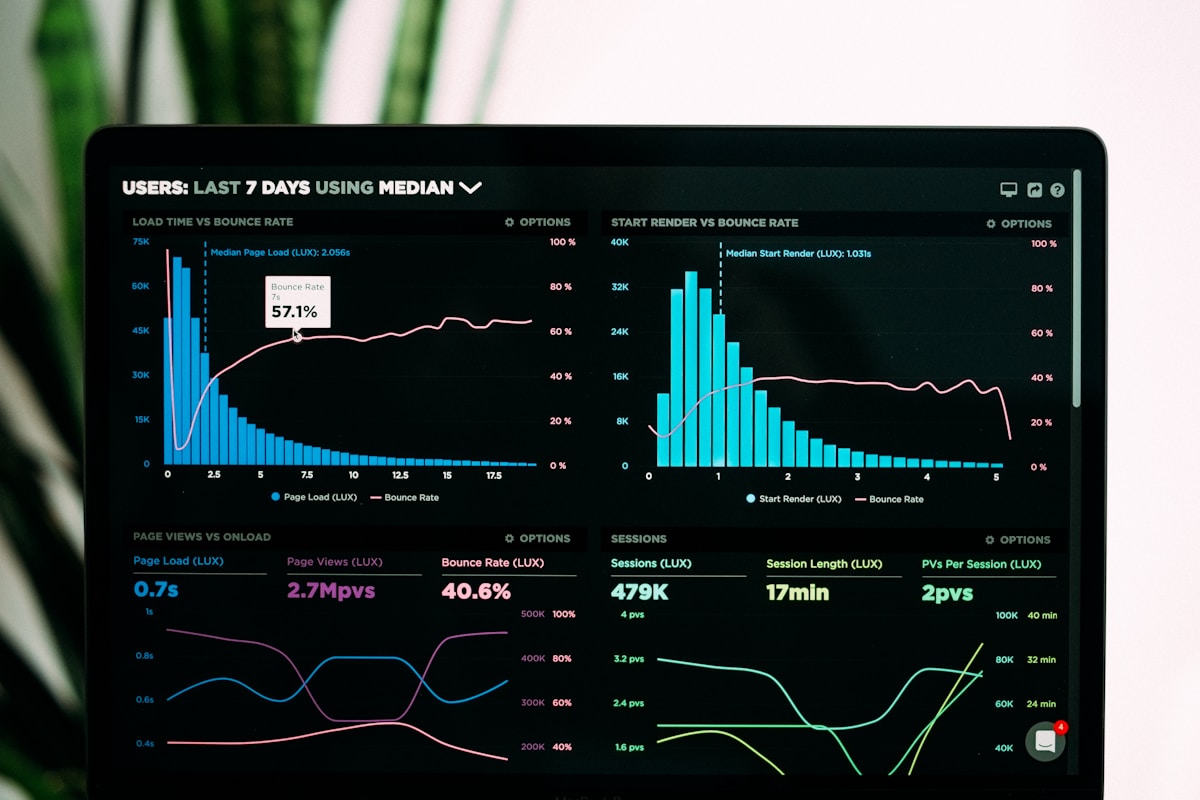
If you held your #1 ranking but traffic is quietly dropping — you're not imagining it.
On May 19 and 21, Google fired two shots two days apart. At Google I/O 2026, they flipped AI Mode to the global default, then on the 21st launched their second core update of the year. Together, these two events rewrote the basic rules of how search works.
What happened in May?
On May 19, Google announced at Google I/O 2026 that AI Mode is now the global default search experience. They called it "the biggest upgrade to our search box in 25 years." Gemini 3.5 Flash became the default model, and monthly active users had already surpassed one billion. Google Search VP Liz Reid declared: "Google Search is AI search, through and through."
Two days later on the 21st, Google kicked off their second core update of 2026. It ran from May 21 through June 2 — 11 days — and hit harder than the March update. The key shift: Google folded the previously standalone Helpful Content System directly into the core ranking algorithm. The system now more precisely separates genuine expertise from content that merely repackages what others said.
The timing here is telling
Google I/O (5/19) and the core update (5/21) landed two days apart. That's Google pushing the AI-first transition at both the product level and the algorithm level simultaneously.
The numbers are already talking
93% of users searching inside AI Mode don't click any website. The AI already answered them. When an AI Overview appears, position-one CTR drops 61%, and Ahrefs data shows top-page CTR fell 34.5% year-over-year. Pew Research confirms: Google outbound click rate dropped from 15% to 8%, a 47% decline.
Here's the flip side. Brands cited inside AI Overviews see 35% more organic clicks on the same query. Paid clicks jump 91%. Traffic from AI answers converts at roughly 5x the rate of traditional organic.
The ranking game didn't end — the meaning of ranking changed. Being "in the AI answer" now matters more than being "#1."
| Old SEO | SEO Now | |
|---|---|---|
| Goal | Rank #1 | Get cited in AI answers |
| Traffic path | Rank → Click | Rank + AI citation → Click |
| Content format | Keyword-optimized | Answer-first + schema |
| Core KPI | Rankings, CTR | AI Share of Voice, citations |
| Trust signals | Backlinks, domain authority | E-E-A-T + entity clarity |
So what do you actually do?
SEO practitioners are responding with a 3-layer framework.
Layer 1 — Keep traditional SEO: Crawlability, domain authority, Core Web Vitals. AI-powered search still runs on this foundation. Drop technical SEO and you lose AI citations too.
Layer 2 — AI SEO: Schema markup, answer-first content structure, entity clarity. Design your content so AI can pull from it. FAQ schema and HowTo schema are the cornerstones.
Layer 3 — GEO (Generative Engine Optimization): Produce original data and citable statistics, strengthen brand signals, earn external citations. How often your brand appears in ChatGPT, Perplexity, and Google AI Mode is your new KPI.
Ecommerce sites have an extra variable. The May core update weighted Merchant Center product data quality heavily. Accurate specs, reviews, inventory, and structured markup are now direct ranking signals.
What the May core update hit hardest
YMYL (health, finance) sites and sites scaling low-quality AI-generated content took the biggest hits. This update clearly rewarded depth from genuine expertise over volume.
5 things you can do right now
- Start monitoring AI Overviews
Search your key queries in Google and check whether AI Overviews appear — and whether your site gets cited. If not, now is the time to start. - Audit your schema markup
Fix schema errors in Google Search Console first, then add FAQ and HowTo schemas to key pages. Structured data is what makes your content AI-retrievable. - Restructure to answer-first
Pick 5 key pages and restructure as question → answer → evidence. Put the core answer in the first paragraph — AI pulls from there first. - Strengthen E-E-A-T signals
Author bios, team pages, case metrics, credentials — signals that prove genuine expertise. The May update weighted this heavily. - Start measuring AI Share of Voice
Check regularly how often your brand gets cited in ChatGPT, Perplexity, and Google AI Mode versus competitors. This is now a primary SEO KPI.
Want to go deeper?
Google I/O 2026 Just Erased the Line Between SEO and AI Search SimpleTiger analysis of the Google I/O announcements — primary source for AI Mode stats simpletiger.com
Why Organic Traffic is Down But Search Is Not ROI Revolution on the AI search traffic shift and the tracking gap roirevolution.com
Core Roars Back: May 2026 Core Update Analysis GSQI site-by-site ranking change breakdown gsqi.com
Google I/O 2026 and AI Mode Going Default RankSenseAI 3-layer SEO transition framework ranksenseai.com
Google May 2026 Core Update: Ecommerce Survival Guide Ecommerce checklist and Merchant Center optimization tips vihadigitalcommerce.com

.png)