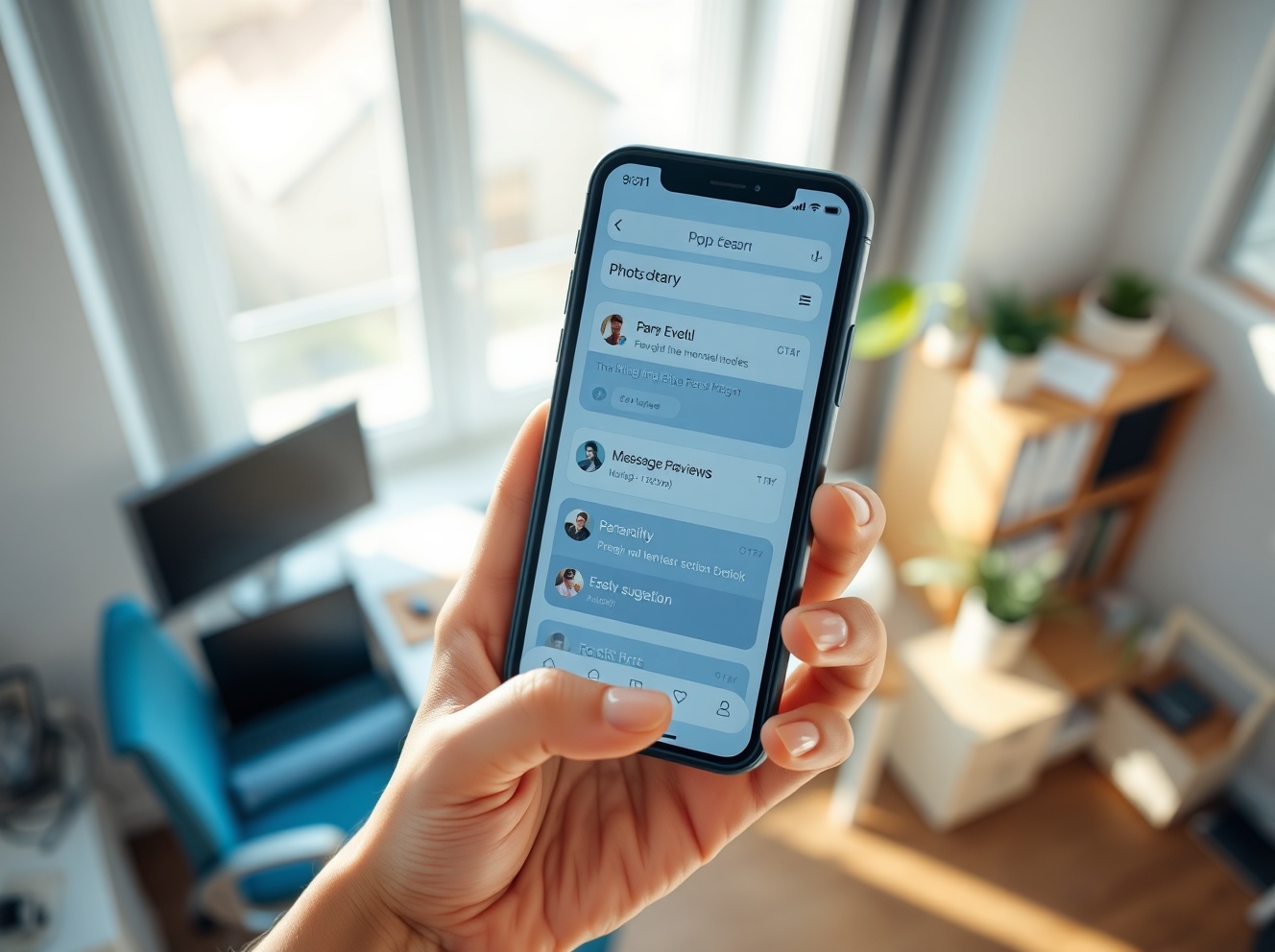
You check your phone 352 times a day. Notifications pile up at 46 per day, and it takes 23 minutes to regain focus after each interruption. Yet you still miss the important meeting, book a restaurant without checking your friend's dietary restrictions, or catch a flight change alert way too late. Ask your AI assistant for help? Congratulations — asking was already your problem to solve. Poppy is trying to flip that.
How does it notice before you ask?
Poppy is an iOS app that launched in May 2026. Its tagline says it all — "Poppy pays attention so you don't have to." It connects your calendar, email, messages, and health data, then reads the context of your life to surface what matters right now — before you ask.
The founder is Sai Kambampati, a former software engineer at Humane (the AI hardware startup) with a master's in computer science specializing in human-computer interaction. His obsession has always been one thing: "Can a computer proactively sense what you need?" Humane's AI Pin tried to answer that through wearable hardware. Poppy takes a different bet — it solves the same problem on the device already in your hand.
Seeing how proactive suggestions actually work makes the concept click. Poppy spots a 30-minute gap near a park in your calendar and suggests a walk. Planning brunch? It reads past messages for your friend's dietary preferences and picks matching restaurants. Flight changed? It alerts you before you even check. It reaches out first — you don't have to ask.
The investor lineup is telling. Kindred Ventures led the round, and DeepMind's Logan Kilpatrick joined as an angel. Someone who understands AI tool usability at that depth making a bet signals this isn't just idea-stage investment. Privacy is worth noting too — stored data is encrypted and the app applies a zero-retention policy when using cloud LLMs. The founder's long-term goal is processing everything on-device within 2–3 years, no server required.
What's actually different from Siri or Google?
AI personal assistant apps are everywhere in 2026. But most still follow the same structure — reactive: you ask, then it answers. Poppy's difference is that it's proactive. The AI reaches out to you before you ask a question.
| Existing AI Assistants | Poppy | |
|---|---|---|
| How it works | Responds when called | Reads context, suggests first |
| Data scope | One request at a time | Calendar + email + texts + health combined |
| Restaurant pick | Lists "nearby restaurants" | Auto-factors in friend's dietary needs |
| Schedule | Set reminders manually | Suggests activities during free slots |
| Learning | Starts fresh each session | Accumulates patterns over time |
| Privacy | Cloud-based processing | Encrypted + zero-retention LLM policy |
Here's why proactivity matters at the root level. An Aalto University study tracking nearly 300 people over seven months found that the main driver of digital overwhelm isn't total screen time — it's the frequency of brief phone checks. The habit of picking up your phone every two minutes, glancing, and putting it back — that's what fragments your focus most. When AI proactively surfaces what you need, it can break that compulsive-checking loop.
3 keywords defining the 2026 AI assistant market
Long-term memory (remembering past conversations), multi-app integration (actually executing tasks), and proactive intervention (reaching out without being asked). These are the three trends shaping AI personal assistants in 2026. Apps like Lindy, Motion, and Reclaim do the first two well — but the third, reaching out first, is still rare. That's where Poppy focuses.
How to get started
- Download from the App Store
Currently iOS only. Search "Poppy: Simplify your life" in the App Store. The base app is free, with paid plans: Sprout ($8.99/month or $79.99/year) and Bloom ($15.99/month or $149.99/year). - Start with calendar + email
Connect Apple Calendar or Google Calendar plus Gmail/Outlook first. These two alone are enough to get basic proactive suggestions running. Add Apple Health, iMessage, and WhatsApp optionally to improve suggestion accuracy. - iMessage access requires a Mac app
For Poppy to read iMessage, you need to install a separate Mac app. iPhone alone can't access iMessage. WhatsApp works with iPhone only. - Check your privacy settings
Review how data is processed in Settings. Sensitive data like health records and iMessage should only be enabled for features that genuinely need them. - Run a one-week trial
Don't judge it on day one — it needs time to learn your patterns. Accept or reject suggestions to give feedback, and accuracy improves over time. One reviewer described it as: "It shows up when I need it and gets out of the way."
Still early-stage
Poppy is a pre-seed product from a four-person team. With only 12 App Store reviews, it's very early. The direction is right, but stability may not match a finished product yet. Don't rely on it for critical medical or legal decisions — start with everyday scheduling and notification management.