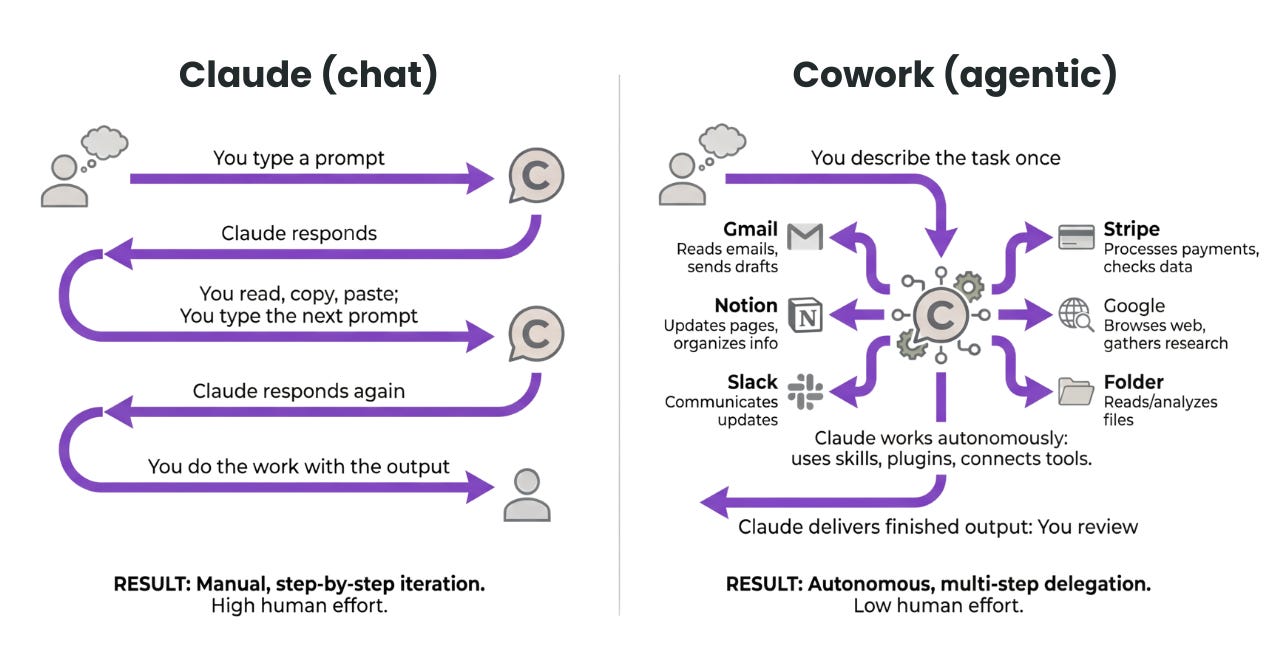
Here's what Santiago Valdarrama did with Claude Code — "Pull 50 two-bedroom listings from 5 sites at once and get a clean, organized spreadsheet back." Zero lines of code written.
The trick is a new format called Skills. Drop a single markdown file into Claude Code and "scrape live data from the web" becomes an automatic capability. Claude, ChatGPT, and Gemini all adopted this pattern around spring 2026 — but the real value shows up when you use it as a coding tool.
What Is It?
A Claude Code Skill is a single file with YAML front matter + a markdown body. It lives at ~/.claude/skills/{name}/SKILL.md. Claude reads the description field, listens to what you're asking, and automatically picks which Skill to use. You don't have to type "/web-scrape" or any slash command — context triggers it.
Santiago's LinkedIn post got attention for a simple reason. "You can use Claude Code to pull live, structured data from any website... organized in tables you can work with immediately. Not a wall of text." His example: two-bedroom listings in a specific area, posted within 48 hours, with price and square footage extracted, normalized across multiple platforms — all from a single natural-language request.
Here's the thing — this is where it diverges from IDE-based tools like Cursor or Windsurf. A Skill is an abstraction unit for tool calls. Write the SKILL.md once and that capability is automatically available across every project. No more pasting the same instructions into every prompt.
- SKILL.md structure
YAML front matter (name, description, allowed-tools) + a markdown body that describes the workflow. - The description field is everything
Claude uses this one sentence to decide whether to trigger the Skill. Be specific — something like "Use when user asks for live web data extraction." - Declare your tools
List external APIs like Firecrawl, Nimble, or Zyte in allowed-tools. Auth keys go in environment variables. - Specify the output format
Lock in deterministic instructions in the body — like "always return a markdown table."
What Changes?
| Approach | Cursor / Standard IDE | Claude Code Skill |
|---|---|---|
| Capability persistence | Rewrite the prompt for each project | Write SKILL.md once → works everywhere |
| Trigger | Slash commands or explicit calls | Automatic context matching |
| Output | Markdown text | Structured data (JSON, CSV, tables) |
| External API | Inject keys on every call | Declared once in SKILL.md |
| Sharing | Tied to a codebase | Deploy to the team as a single file |
Zyte shipped a Claude Skill using the same syntax — HTML fetching → AI parsing → selector generation → structured extraction, all four steps packed into a single Skill. Firecrawl published an official tutorial on writing Skills on their blog. Nimble earned Santiago's "10/10" endorsement as a recommended tool.
The key insight isn't "scraping automation" — it's "packaging capability." The same pattern works for anything repetitive: DB queries, PDF parsing, API integrations, meeting notes. Any repeated workflow can be extracted into a SKILL.md.
Getting Started
- Check your Claude Code version
Skills require Claude Code 1.0+. Runclaude --versionto confirm. - Create the Skill directory
mkdir -p ~/.claude/skills/web-scraper. Use kebab-case for the name. - Write your SKILL.md
YAML front matter with name, description, and allowed-tools (curl, Firecrawl, etc.). Describe the workflow steps in the body. - Register external tools
Put API keys for Firecrawl, Nimble, etc. in.envand reference them from SKILL.md.FIRECRAWL_API_KEYas an environment variable is the standard approach. - Call it with plain English
Something like "Get all 2-bedroom apartments posted in the last 48h in [area]." Claude auto-triggers the Skill.
FAQ
(Auto-rendered by FAQSection — not included in content)
Deep Dive Resources
Firecrawl — Claude Code Skill Writing Tutorial A complete guide from SKILL.md structure to multi-function Skills firecrawl.dev
Santiago (@svpino) — Original LinkedIn Post "10/10 for agents needing web data" — the primary source for the rental listing example linkedin.com/svpino
Zyte — Supercharging Web Scraping with Claude Skills A 4-step Skill pattern: HTML → AI parsing → selector → structured data extraction zyte.com
yfe404/web-scraper An open-source scraping Skill with a 6-step quality gate — curl first, browser only when you need it github.com/yfe404/web-scraper