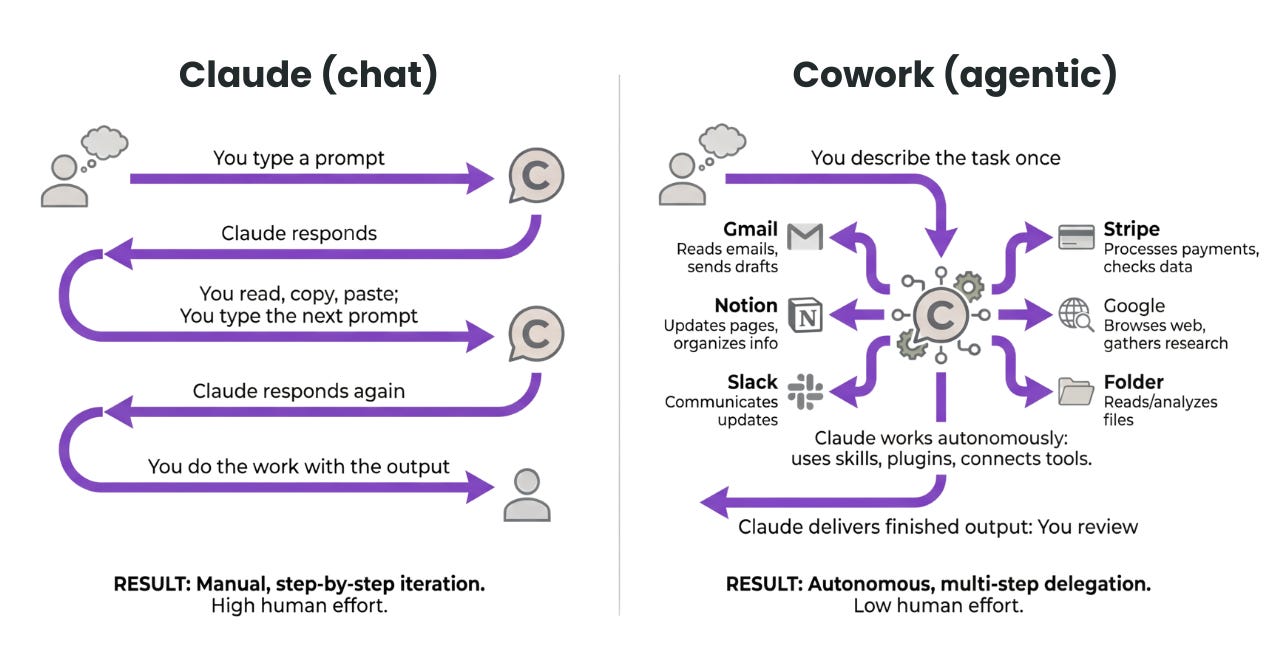
A bug fix request in Jira. @Cursor mentioned in a comment. Next morning: a PR, complete with a fix and passing tests — no IDE opened, no developer directly involved.
Why this is different
Cursor started as an AI-powered code editor. VS Code-based, meant for developers sitting in front of it. But v3.4 and v3.5 have changed that in a fundamental way.
Cursor Automations keeps agents running all the time. Instead of a developer opening an IDE and typing a prompt, an external trigger — a Jira ticket, a Slack message, a merged GitHub PR, a PagerDuty alert — fires the agent automatically. The agent works, opens a PR, and updates Jira when done.
Two things stand out in v3.5.
First: multi-repo support. A single agent can now read and work across multiple repositories simultaneously. For microservice architectures, this means the agent understands the full picture — dependencies, shared interfaces, cross-service impact — before writing a single line.
Second: non-code automations. Five new Marketplace templates cover Slack digest agents (daily team updates), product analytics agents (weekly metric reports), FAQ agents (auto-answering product questions in Slack), finance agents (billing monitoring), and customer health agents (system monitoring). A coding tool is now automating business operations.
Cursor's own engineering team now has 35%+ of its merged PRs written by autonomous agents. That's not a demo — that's production code.
What "outside the IDE" actually means
The core shift: things that required a developer present now run without one.
| Before | Cursor Automations | |
|---|---|---|
| How it starts | Developer opens IDE and types a prompt | Jira mention, Slack message, GitHub event |
| Repo scope | One repo, currently open | Multi-repo, simultaneous context |
| How it runs | Developer must be present | 24/7 autonomous in the cloud |
| What it can do | Code only | Code + non-code business automation |
| Output | Code changes in editor | PR + automatic Jira / Slack updates |
The Jira integration runs deep. Assign a task to @Cursor or mention it in a comment — the agent reads the ticket title, description, comments, and your team's repo settings to scope the task. With Rovo's Teamwork Graph context, you get 44% better answer quality and 48% fewer tokens used.
Rippling's team built automations that pull meeting notes, action items, and GitHub/Jira data into a dashboard updated every two hours. "We can move faster than an org five times our size," is how they describe it.
Microsoft Teams works too
Mention @Cursor in a Teams channel and the agent automatically picks the right repo and model based on your recent activity. Like Slack integration, it means anyone on the team can delegate to an agent — no dev setup required.
How to get started
- Check your plan
Automations are available on the Teams plan ($40/user/month) and above. Individual Pro and Pro+ plans cover some features, but team-wide automation requires Teams. - Start with Jira (easiest entry point)
Install the Cursor agent from the Atlassian Marketplace. After installation, mention @Cursor on a Jira ticket or assign it as a task owner. Requires Jira Commercial Cloud + Rovo enabled. - Set up Automations
Go to cursor.com/automations or the Agents Window to create a new automation. Configure the trigger (schedule or event), attach repos, and write the instruction. For multi-repo, attach multiple repos at once. - Add non-code automations
Browse the Cursor Marketplace for Slack digest or analytics report templates. These run without a repo attached, so non-developer team members can use them too. - Add Bugbot (optional)
Usage-based pricing ($1.00–$1.50/run) for automated PR bug detection. High-effort mode finds 35% more bugs than default while maintaining an 80% resolution rate.