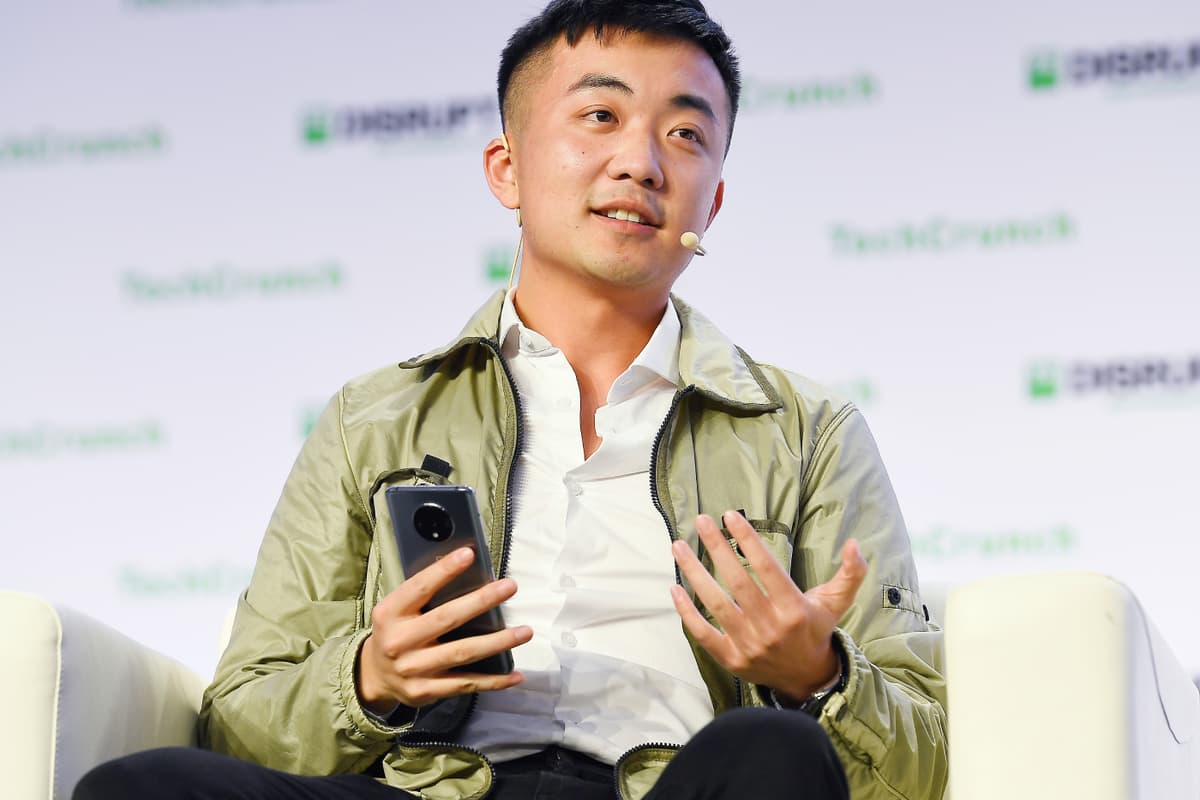
Carl Pei changed his mind. He once said he'd never build smart glasses — now Bloomberg is reporting that Nothing is developing AI glasses targeting a first-half 2027 launch.
What Is It?
According to Bloomberg, Nothing plans to launch AI smart glasses — equipped with a camera, microphone, and speaker — in the first half of 2027. A few key points stand out:
- No display
No AR screen — audio and camera only. It's a similar approach to Meta's Ray-Ban smart glasses. Rather than a heavy, expensive AR visor, the bet is on something light enough to actually wear every day. - AI processing goes to your phone and the cloud
Instead of packing a high-performance chip into the glasses themselves, the paired smartphone and cloud handle the compute. It neatly sidesteps battery life, weight, and heat issues all at once. - AI earbuds come first
New AI-enhanced earbuds launch in late 2026, with the glasses following afterward. The idea seems to be: build out the AI ecosystem through earbuds, then extend it to glasses. - Carl Pei's U-turn
Pei was originally skeptical about smart glasses. Bloomberg reports that he's since pivoted internally, shifting focus to a multi-device strategy.
What Changes?
The AI smart glasses market is heading toward 4x revenue growth by 2026. Here are the numbers:
Players are flooding into this market all at once:
| Player | Product | Launch | Key Feature |
|---|---|---|---|
| Meta | Ray-Ban AI Glasses | Available now | Market leader, adding prescription lens options |
| Samsung | Galaxy Glasses | H2 2026 | Android XR + Gemini |
| Apple | Smart Glasses (unconfirmed) | 2027 | Testing 4 design variants |
| Android XR Glasses | 2026 | Gemini-native, built with Samsung | |
| Nothing | AI Glasses (unconfirmed) | H1 2027 | Transparent design + AI-native OS |
Is there room for Nothing? More than you'd think. Right now, the smart glasses market is essentially Meta's race to lose. When Samsung, Google, and Apple enter between 2026 and 2027, it turns into a multi-way fight — and a design-differentiated product can carve out real space in that chaos.
Nothing's advantages are clear:
1) Design language — Transparent panels, LED strips: Nothing's signature industrial aesthetic. Almost no brand in the smart glasses space has seriously invested in design.
2) AI-native OS — Pei has publicly stated that "apps will disappear and be replaced by AI agents". Expect an agent-based interface rather than a list of apps.
3) Price — Nothing ships flagships under $500. They can go more aggressive on pricing than Apple or Samsung.
That said, the risks are real. Nothing still holds less than 1% global smartphone market share, with total cumulative shipments of just 5.1 million units. Smart glasses require an entirely different set of capabilities from smartphones — from supply chain management to optics.
Humane's Ai Pin was acquired by HP, and Rabbit R1 is barely surviving on software updates. A clever idea isn't enough in AI hardware. Without a killer use case that gets people putting the thing on every single day, it ends up in a drawer. Whether Nothing can avoid that trap is the real question.
Getting Started
When AI smart glasses become a real market, new opportunities open up for product and service designers. Here's what you can start on now.
- Study 'eyes as input' UX
In the smart glasses era, UX isn't about tapping a screen — seeing is the input. The camera reads the environment, AI interprets context. Meta Ray-Ban's "Hey Meta, what's this?" feature is the clearest real-world example of this pattern. - Design for voice-first interfaces
On glasses without a display, voice is how information gets delivered. Try prototyping what your existing app or service would look like as a conversational interface. Give it a try. - Watch the AI agent ecosystem
There's a good chance Nothing builds its own AI agent platform. They've already shipped Playground, a feature that generates mini apps using AI. Third-party agent development opportunities could follow. - If you're a hardware startup, take notes
Nothing raised a $200M Series C to become a $1.3B unicorn. The playbook is "design differentiation → community building → AI pivot." Build supply chain credibility with a smartphone, then expand to new form factors.
Deep Dive Resources
The original exclusive report. The most detailed source on Carl Pei's strategic pivot, product specs, and launch timeline.
A detailed outlook on a market growing from $5.6B in 2026 to $29B by 2030. Includes analysis of the impact of Apple and Samsung entering the space.
Nothing's CEO lays out his AI agent vision in a TechCrunch interview. His strategy for smartphones and wearables in the post-app era.
Digitimes analysis on the market restructuring as Google, Samsung, and Apple enter what was effectively Meta's territory.