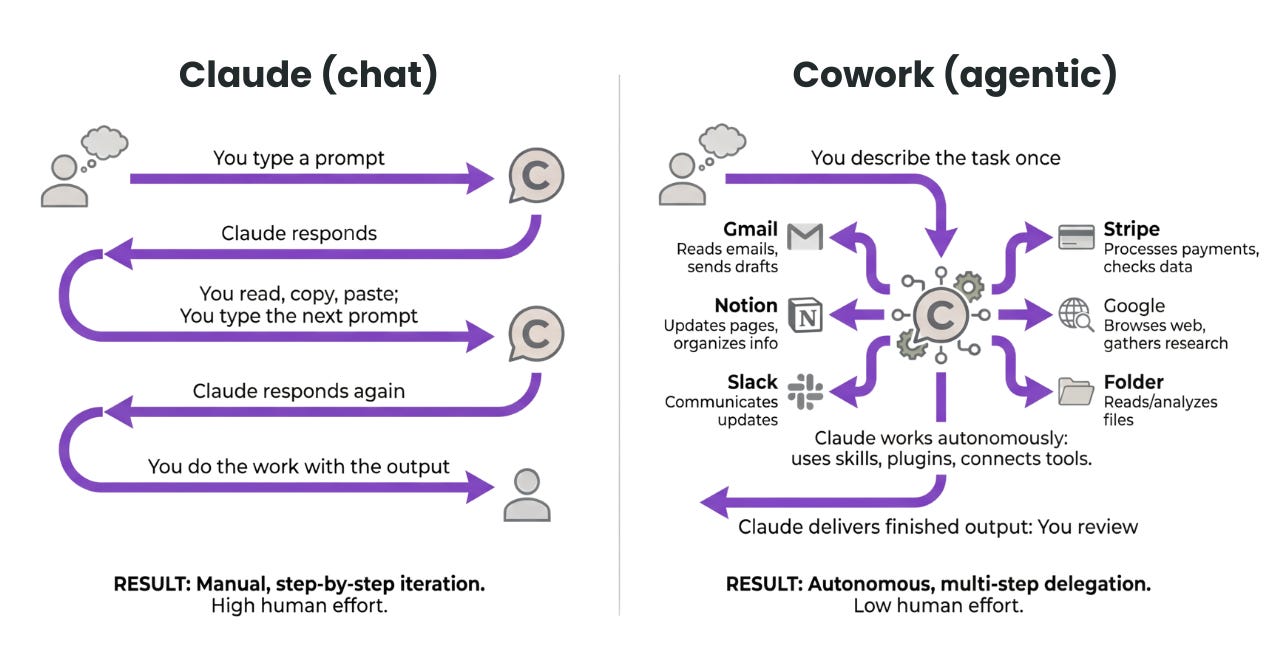
On May 13, Notion CEO Ivan Zhao dropped a single line in his livestream keynote: "Any data, any tool, any agent." Sounds tame, until you realize it's Notion graduating from note-taker to a workspace where multiple AI agents punch in next to your team.
The trigger? In three months, Notion users built over 1 million Custom Agents — automating Slack Q&A, weekly reports, ticket routing. And the limits showed up fast. Agents couldn't reach external data, and the coding agents you already use (Claude Code, Cursor) couldn't get into Notion. This release closes both gaps at once.
So what actually shipped?
Five things in one drop. The thread holding them together: code execution, external data, and outside agents now all live inside the Notion workspace.
- Workers
Notion's hosted runtime for custom code. Sandboxed, no servers, no containers. Authenticate withntn authand ship withworker.deploy(). - Database Sync
Pull live data from any system with an API — Salesforce, Zendesk, Postgres — straight into Notion databases. Powered by Workers. - Custom Agent Tools
For the deterministic, repeatable work where MCP isn't reliable enough. Write the logic once, deploy as a Worker, and your Custom Agent calls it. Predictable execution, not LLM improvisation. - External Agents
Launch partners are Claude Code, Cursor, Codex, and Decagon. Chat with them in Notion, assign work, track progress — exactly like a Custom Agent. - External Agent API + CLI (ntn)
Bring your own internal agents in as first-class workspace participants. ThentnCLI is the same surface for humans and coding agents.
Pricing is unusually clear. Workers are free through August 11, then $10 per 1,000 credits. About $0.0023 per run, ~4,348 runs for $10. A 15-minute Salesforce sync runs ~$6.62/month. The CLI is free on every plan; deploying Workers needs Business or Enterprise.
Why this is a bigger deal than the headline
Until now, Custom Agents were trapped inside Notion's own data. External systems meant middleware — Zapier, Make, n8n. Workers + Database Sync removes that middle layer. External Agents brings the coding agents you already pay for into the same surface. The hidden cost of running multiple AI tools — humans gluing them together — drops sharply.
Why is this not just another note app feature?
The shift is from "place where work is described" to "place where work actually runs." Through May 12, Notion was a workspace with a SaaS feature bag. From May 13, it's a credible OS candidate where multiple agents share one canvas.
| Notion through May 12 | Notion from May 13 | |
|---|---|---|
| Role | Knowledge base + collab workspace | Knowledge + code + multi-agent orchestration layer |
| External data | Manual embeds, third-party automation | Workers sync from any API |
| External agents | Run outside Notion, paste results in | Chat, assign, track inside Notion |
| Custom logic | Zapier / n8n + your infra | Notion-hosted sandbox |
| Governance | Per-plugin, scattered | Progressive trust + sandbox + workspace visibility |
External Agents is the part to watch. Claude Code in your terminal, Cursor in your IDE, Decagon in its own UI — until now, moving work between them meant a human copy-pasting all day. Notion is positioning as the shared canvas for every agent you run.
Governance is built in, not bolted on. Notion is leaning hard on a progressive trust model — every agent action goes through human review at first, and you expand autonomy as agents prove reliable. Workers run in a sandbox with defined permissions, and every agent's work shows up in the same workspace your team already collaborates in. That's why enterprise teams are paying attention.
Bottom line: how to start
- Confirm plan + install CLI
ThentnCLI is free on every plan. Workers deployment needs Business or Enterprise. Runntn authto authenticate. - Start with the smallest possible Worker
Pick the external data you check most often (Salesforce, Zendesk, Postgres) and sync just that one. Notion explicitly suggests letting your coding agent (Claude/Codex) write the Worker code itself. - Wire it up as a Custom Agent tool
Once the Worker exists, a Custom Agent can call it as a tool. Example: a morning agent that pulls Jira issues and writes a summary page. Deterministic, not improvised. - Add one or two External Agents
Bring Claude Code or Codex into the workspace. Assign PR reviews or doc updates from a Notion page. The output stays in the workspace where PMs, designers, and QA can see it. - Expand via progressive trust
Approve every action manually first, then widen autonomy as agents earn it. Don't open the gates all at once. Uber burned a year of its Claude Code budget in four months — that was a governance gap, not a pricing one.
Going deeper
Introducing Notion's Developer Platform (official) The full picture and design intent behind Workers, External Agents, and the CLI. notion.com
Notion Workers Pricing Guide Per-credit pricing, plus monthly cost simulations across five sync frequencies. notion.com
Notion CLI Get Started Developer docs covering auth, Workers deploy, and API calls — your first 30 minutes. developers.notion.com
Notion's AI Agent Platform — analysis ALM Corp's 9-minute breakdown framing Notion as a "workspace = context OS" with four operational layers. almcorp.com
Notion 3.5 Release Notes The May 13 release notes — full feature list and plan availability. notion.com
Ivan Zhao Keynote (YouTube) The CEO's live demo of Custom Agents + Workers in action. youtube.com