Loading...

Work Smarter with AI

Real workflows. Real results.Join 424 readers

Latest

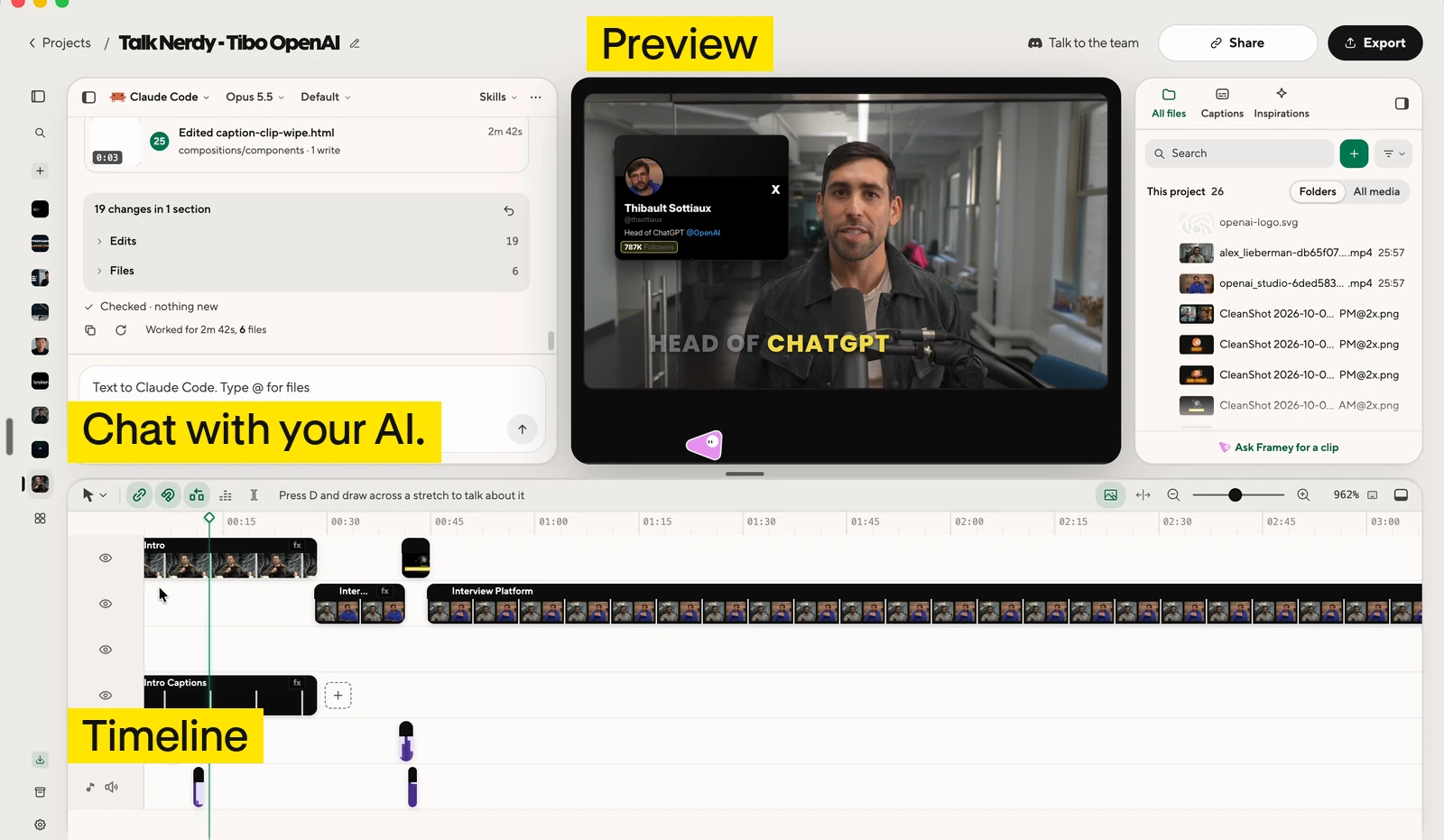
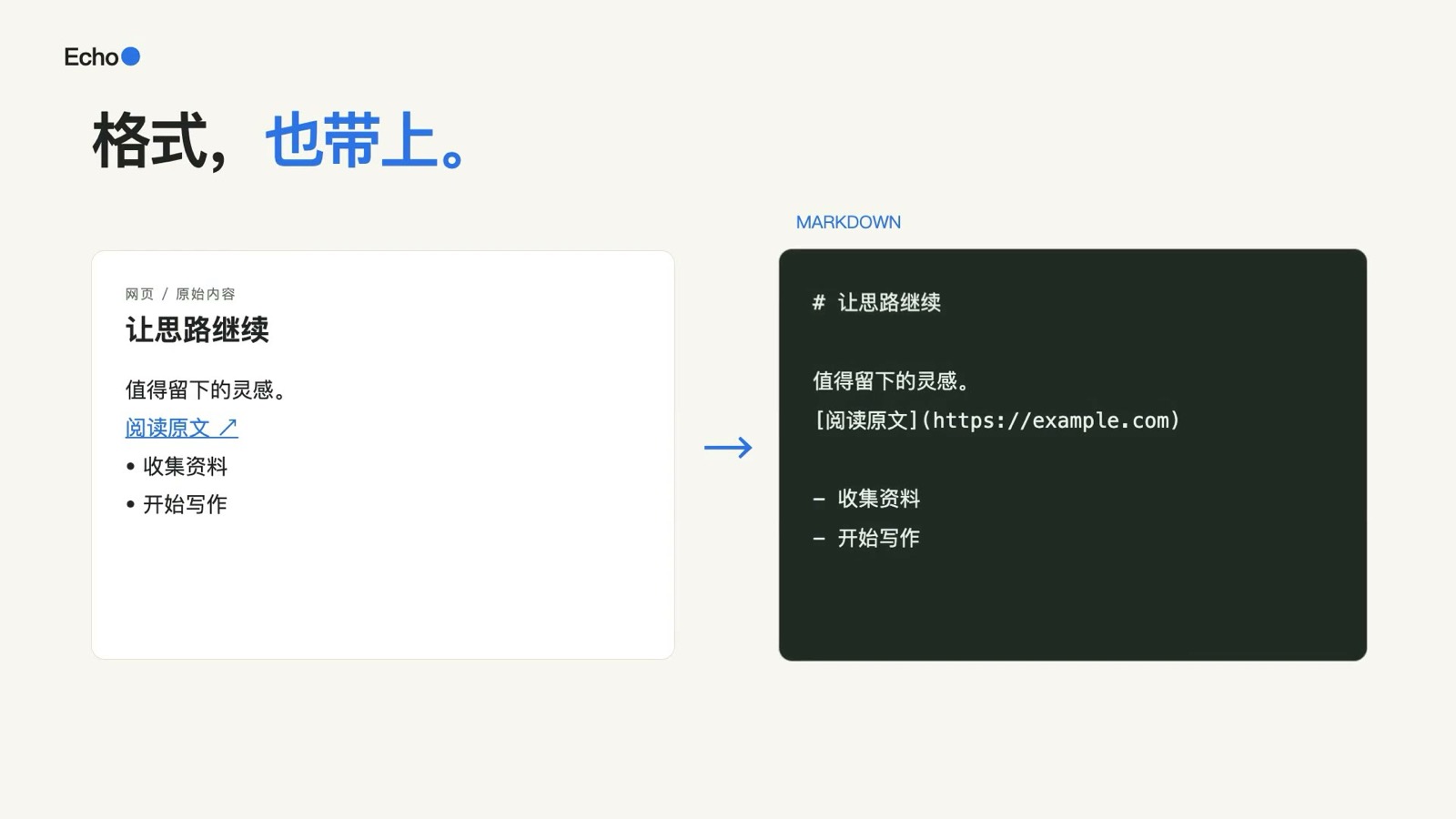
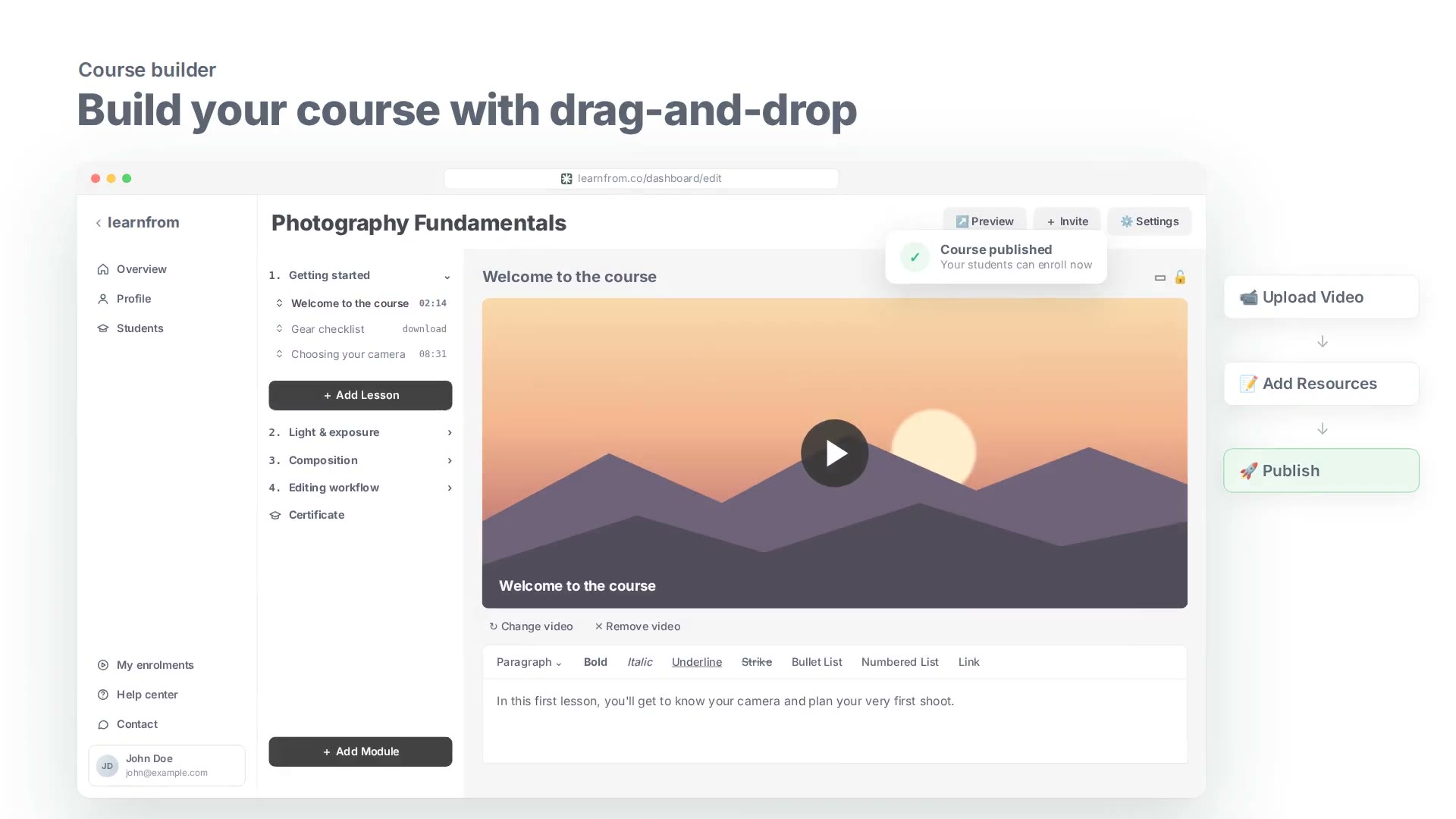
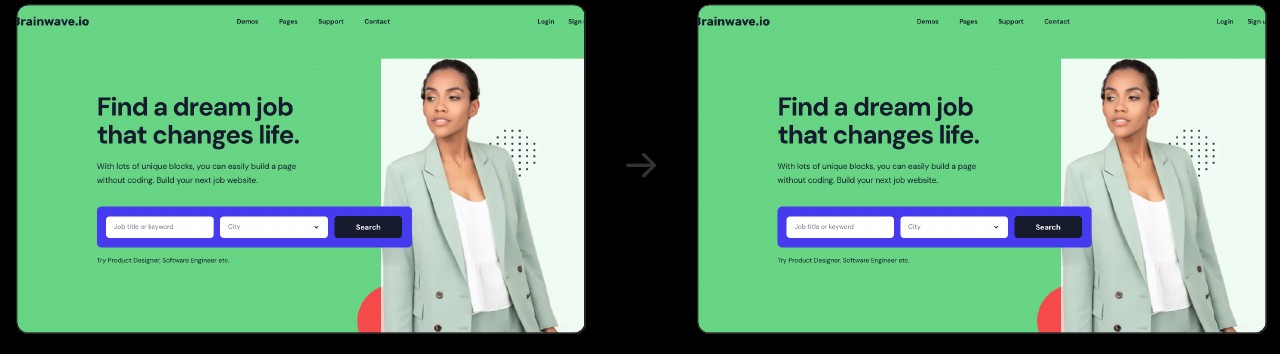
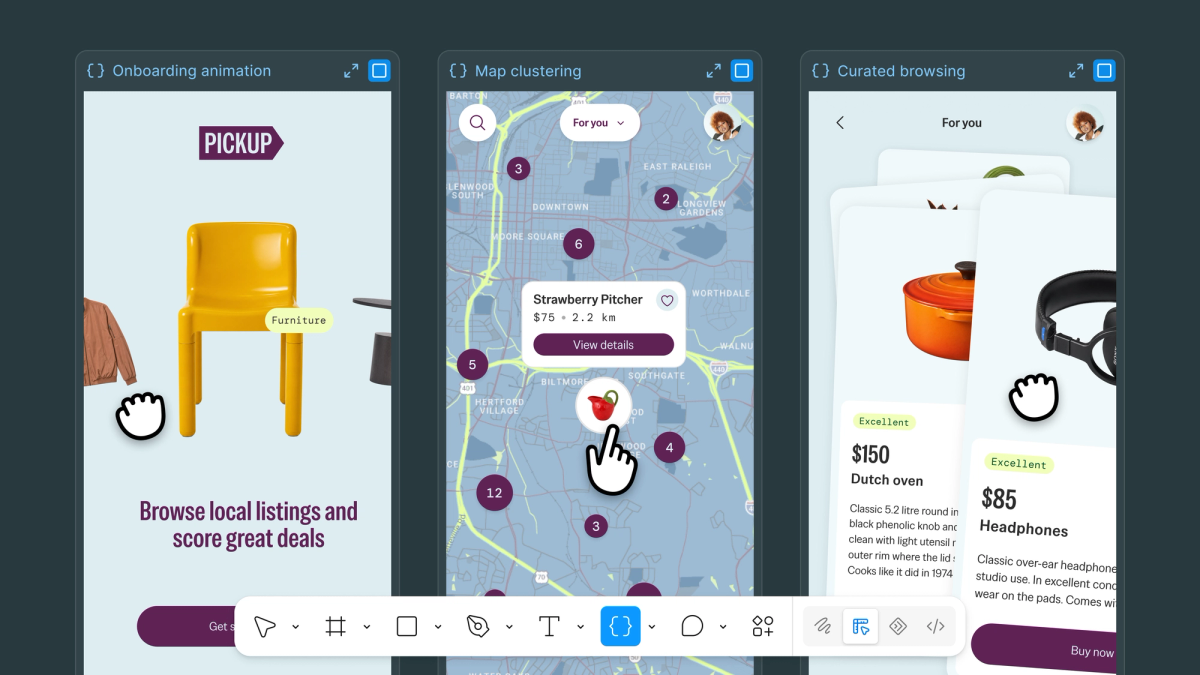
Hero image from Figma's Code Layers launch post
2026.10.26

Edit a design in Figma, then update the actual code with one click

Figma demonstrated this feature when it launched in open beta on October 15. Bring a Figma frame, GitHub repository, or webpage onto the canvas and it becomes a screen you can interact with. Extract it as design layers, edit it as usual, and apply those changes back to the code with one click. You can push the updated code to a GitHub branch and open a pull request for your team to review. Here are the official demos and examples from people who tried it early.

Figma Code Layers · 2 cases

Insights2026.11.09

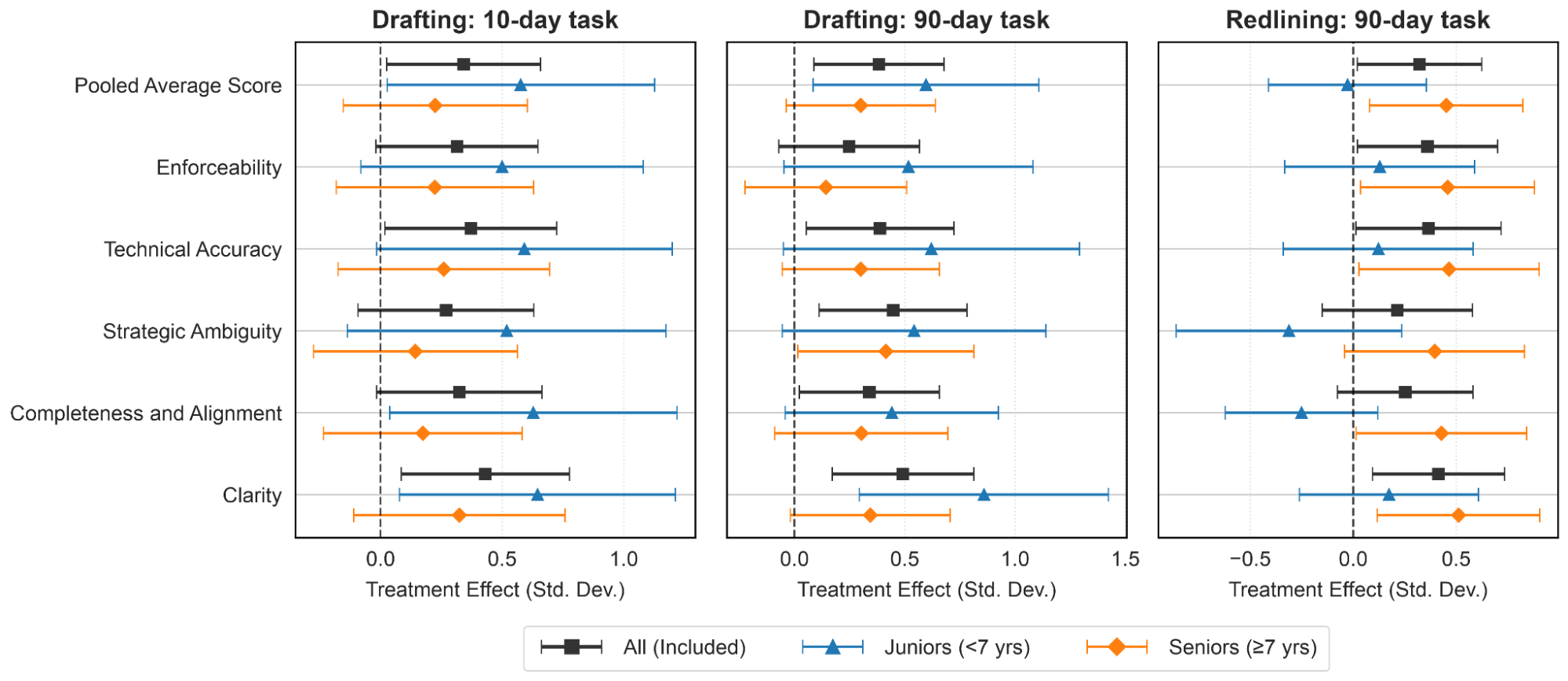
After three months with AI, senior lawyers edited better without it than peers who had not received it. Junior lawyers showed no clear difference.

Google and MIT researchers gave an AI patent drafting tool to 90 of 133 U.S. patent lawyers, then asked everyone to complete an editing test without AI three months later. Junior lawyers with less than seven years of experience scored much higher on AI-assisted drafts than peers who did not receive the tool, but only senior lawyers who received it scored higher on the test without AI. The result for juniors remains uncertain because their control group included just seven people.

Insights2026.10.29

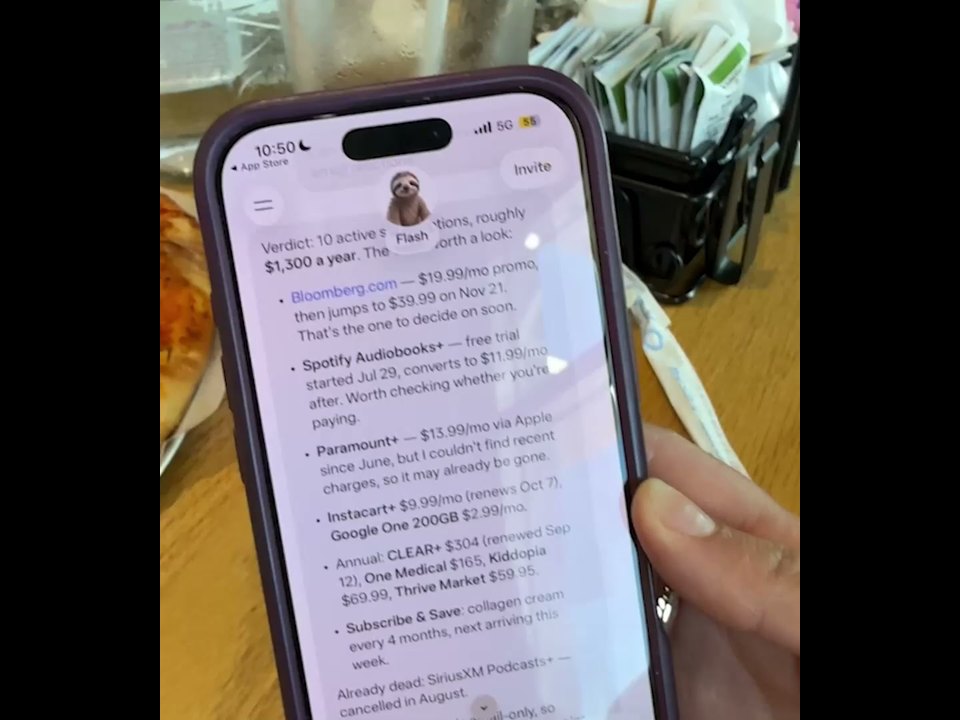
Subscription companies made money on forgotten renewals. Now an AI assistant cancels them for customers

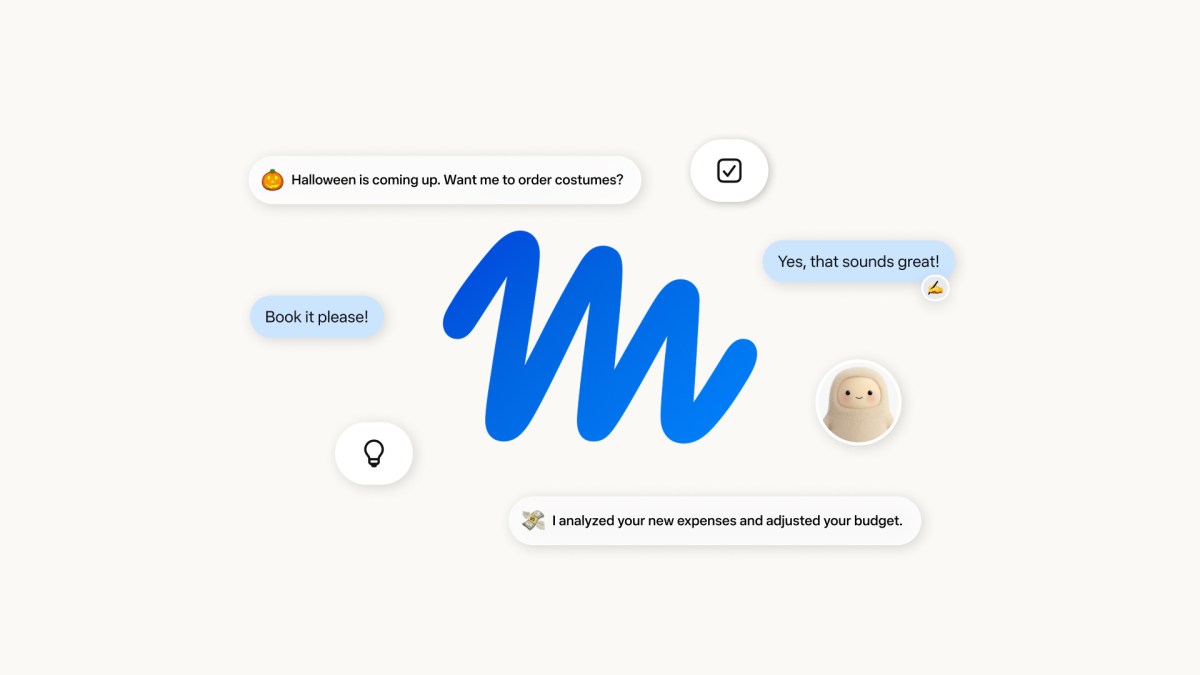
Stanford researchers estimated that inertia in canceling raises revenue at large subscription services by 87% on average, close to double, and that cancellations rose sharply in months when customers had to decide for themselves. Meta's AI assistant Muse finds those neglected subscriptions and cancels them for customers, and in one person's collection of public cases, recovering money was the most common single task. What subscription companies can count on is shifting from the time customers spend putting things off to real use, the kind that makes customers say they'll keep paying when an AI asks.

Insights2026.10.29

People with no ultrasound training swept a handheld probe across pregnant bellies, and AI dated the pregnancies as accurately as expert sonographers

People who had never learned ultrasound swept a handheld device across the belly, and the AI's gestational age estimates had a mean error of 4.2 days, no worse than expert sonographers (4.5 days). In Nairobi, where the AI was never trained on local data, the AI and the experts had the same mean error: 4.3 days. What field staff learned in six hours of hands-on training wasn't how to read scans. It was how to sweep evenly, at a quality the AI could read.

Insights2026.10.26

AI turned out 722 math manuscripts at once. Now the scarce resource is mathematicians to read them

OpenAI released 722 AI-generated math manuscripts at once. Of the 719 left after withdrawals, only 42% have proofs confirmed by the Lean program. This piece follows the record of 3 withdrawals over a calculation error the next day, 14 separate proof revisions, and how mathematicians reacted. Together they show math's bottleneck moving from producing proofs to finding people who can read and check them.

Insights2026.10.26

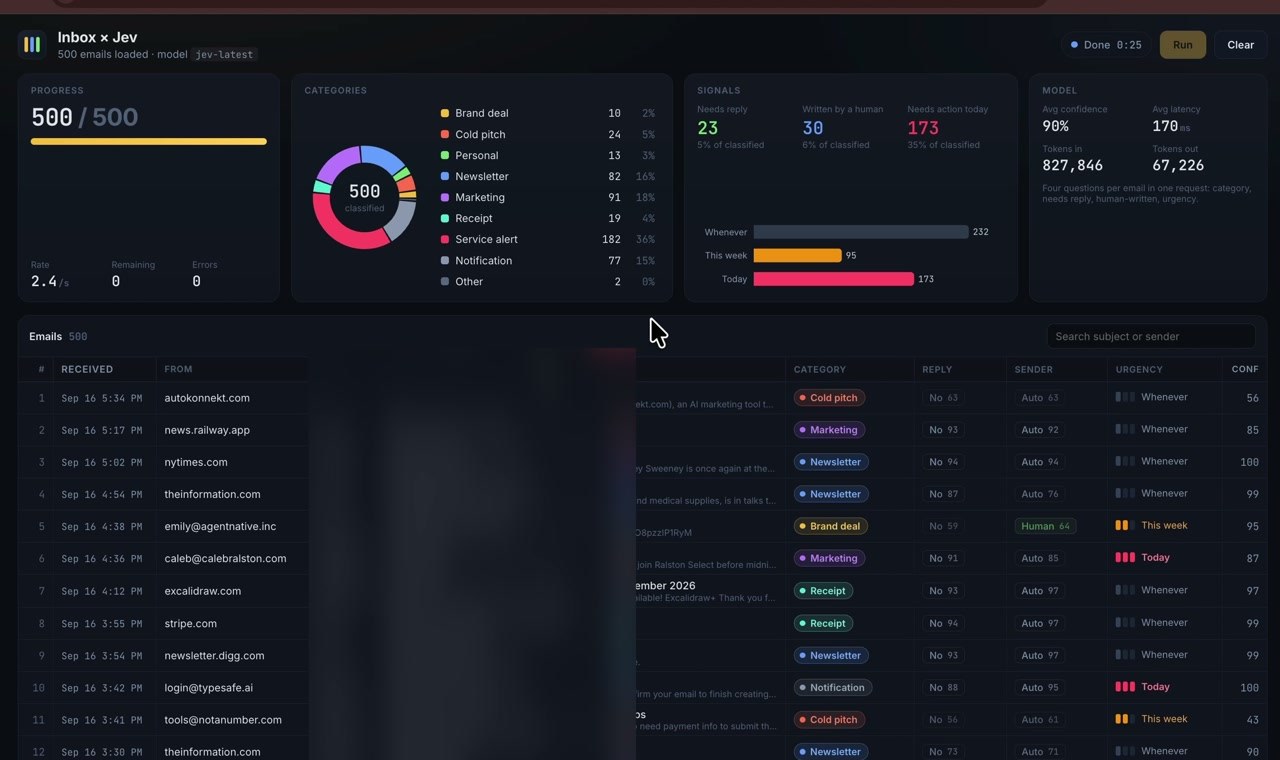
Handing classification to AI now costs almost nothing. Almost no one checked whether it got the answers right

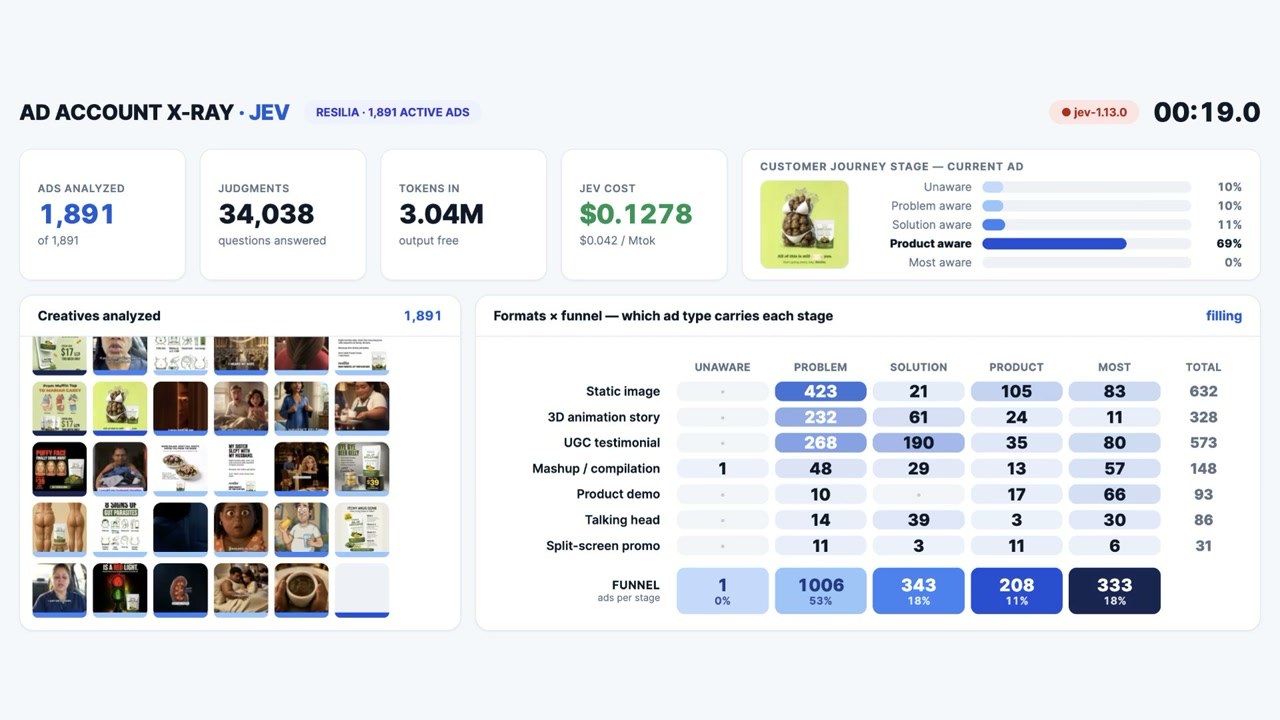
TypeSafe's decision model Jev matched Claude Sonnet 5's score of 67.8% at $0.0004 per decision, but the answers it was graded against came from two AI models that aren't on the leaderboard. When Red Hat retested it on public data with labels already attached, Jev ranked first or fourth depending on the task, and the results did not show it was faster or cheaper. Now that decisions are nearly free, the first thing to check isn't the model's price. It's whether you have an answer key that can show the decisions were right for your work.

Insights2026.10.26

AI agent hacks hit several Korean financial firms, but the breached systems were loan-broker and staff tools, not banking apps

US security firm CrowdStrike analyzed AI work logs left on an attacker's server. The attacker ran a free open-source tool on other companies' commercial AI models and tried to break into many financial firms at once. What got breached were not banking apps but work systems for loan brokers and staff with weak identity checks. Korea's Financial Services Commission told firms to review systems by whether they are open to the outside, not by whether customers use them.

Insights2026.09.27

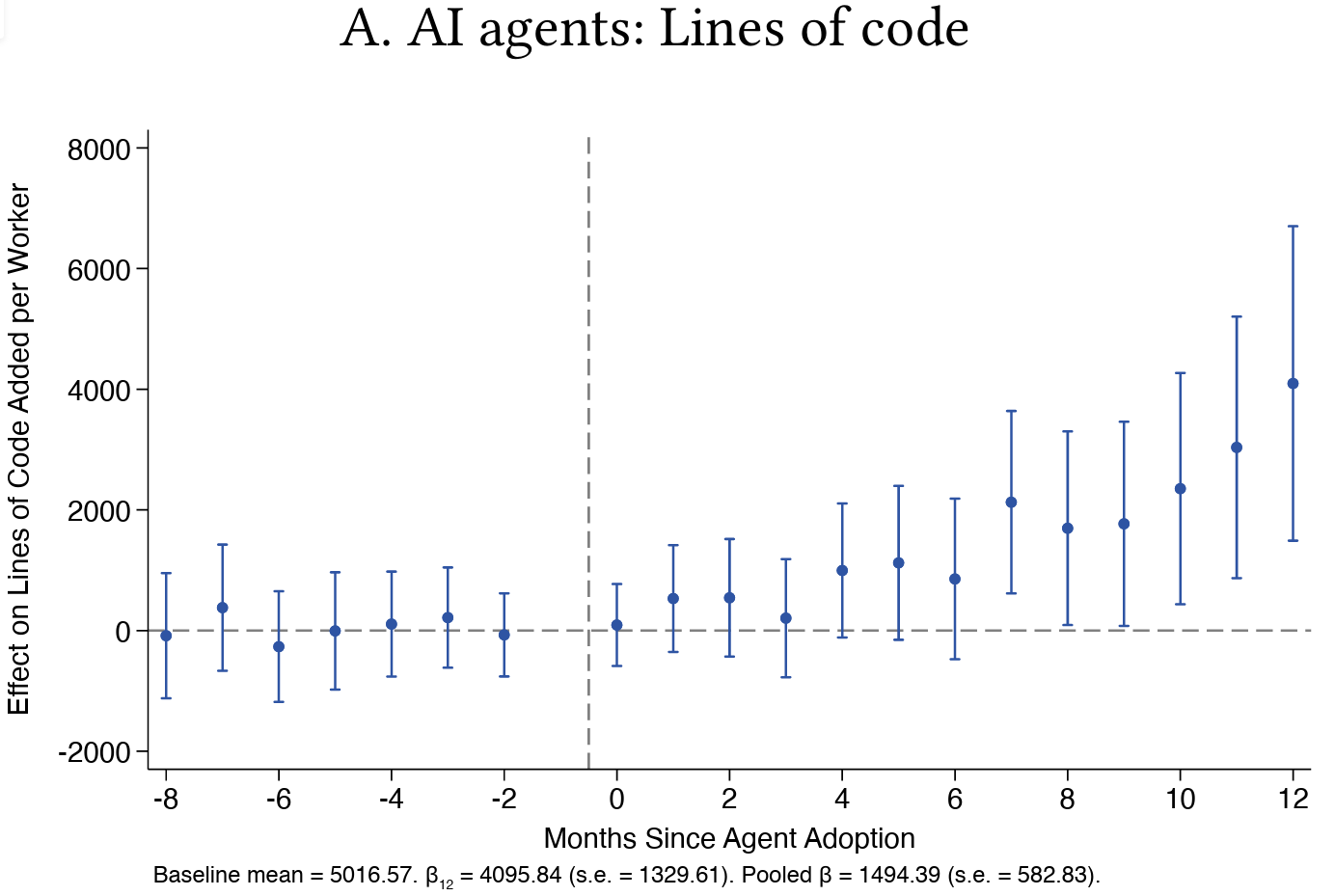
AI agents finished whole research papers on their own, but judgment, not experimentation, is where they stalled

Researchers from Princeton, the UK AI Security Institute, and other institutions gave frontier agents the research questions behind two unpublished NeurIPS submissions, then had the original authors grade the results. The agents handled everything from the literature review to typesetting without human help, yet both papers were rejected. Here are the five failures the paper traced in the run logs, along with the limits the authors acknowledged.

AI-generated

Insights2026.09.27

Crediting a career coach for a cover letter didn't hurt trust, but crediting AI did

In 13 experiments preregistered before any data was collected, University of Arizona researchers Schilke and Reimann found that a cover letter credited to a career coach earned the same trust as one with no note at all, while only the one credited to AI lost trust. The penalty held across six ways of wording the disclosure and when disclosure was required by rule, and in the final experiment an advisor exposed by a third party scored lower still than one who disclosed it himself.

AI-generated
Weekly · Free

Hi, I'm Rush from Working Reference.

The week in AI: the BEST
just 3, straight to your inbox

Work Smarter with AI

424 readers get it every week

You're in See you in your inbox with the next issue.